
Saskatchewan Fall and Winter Home Maintenance Checklist: What to Do Before the Deep Freeze
Saskatchewan weather can move from a warm fall afternoon to a hard freeze faster than most homeowners would like. A few hours of preventative maintenance now can help reduce the risk of frozen pipes, furnace trouble, water damage, carbon monoxide exposure and expensive emergency repairs in the middle of winter.
Home maintenance is also part of protecting one of the largest investments most families own. If you are still learning what homeownership involves, Mike’s homeownership guide explains the ongoing responsibilities and costs to plan for. You do not need to complete every task yourself. The goal is to identify what needs attention, handle the simple items safely and call a qualified professional where the work is outside your experience.
Mike’s practical advice: “You do not have to wait for a problem to become an emergency. A quick fall check can give you time to repair, budget and make a plan before the deep cold arrives.”
The 10-Minute Quick Start
If you only have a few minutes today, start with these five high-priority checks:
- Test every smoke and carbon monoxide alarm in the home.
- Check the furnace filter and book annual furnace maintenance if it has not been done.
- Disconnect garden hoses and drain exterior water lines before a hard freeze.
- Clear eavestroughs and make sure downspouts move water away from the foundation.
- Locate the natural gas meter and exterior appliance vents so you can keep them clear once snow arrives.
Then use the full checklist below to work through the rest at your own pace.
1. Heating, Ventilation and Indoor Air
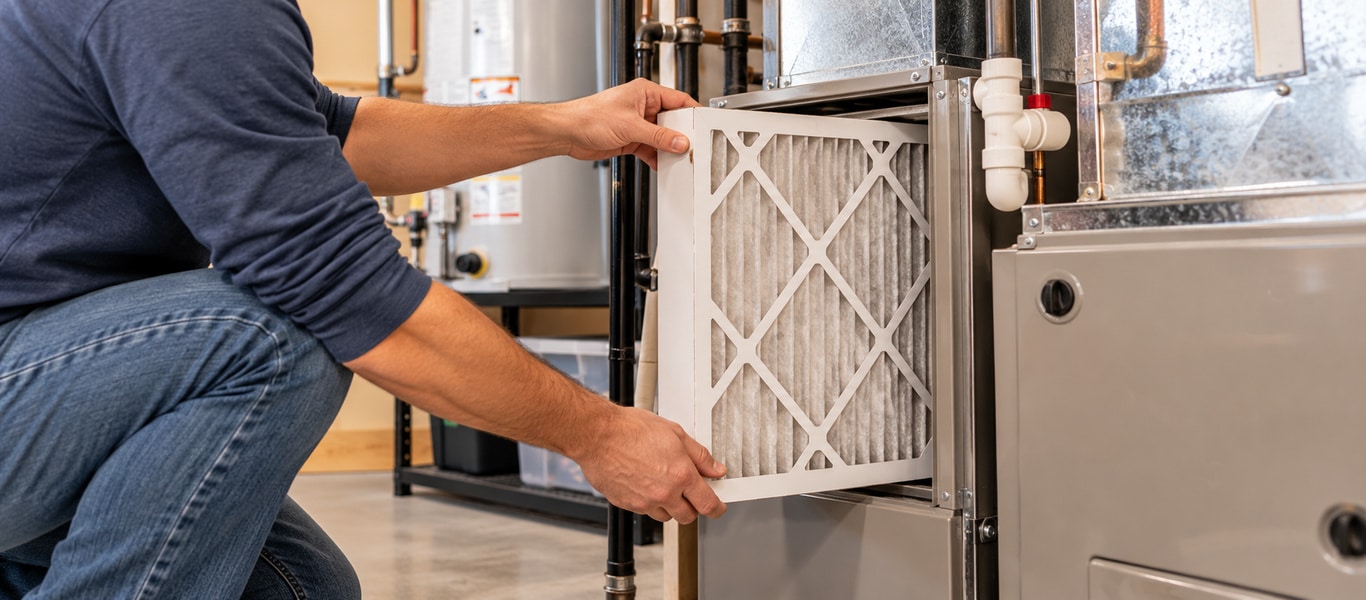
Book an annual furnace inspection
SaskEnergy recommends having the furnace inspected every year by a qualified professional. A proper service visit can identify safety or performance issues before the furnace is working its hardest. If you use a gas fireplace, boiler or other fuel-burning appliance, ask whether it should be inspected at the same time.
Helpful resource: SaskEnergy furnace maintenance guidance
Check the furnace filter
Check the filter now and continue checking it during the heating season. Replace or clean it according to the furnace and filter manufacturer’s instructions. A clogged filter can restrict airflow and make the system work harder.
Service the humidifier, HRV or air exchanger
If your home has a furnace-mounted humidifier, heat-recovery ventilator or air exchanger, clean or replace filters and pads according to the manufacturer’s instructions. Confirm that drains and hoses are connected and not leaking. Saskatchewan winters are dry, but too much indoor humidity can also contribute to window condensation and moisture problems.
2. Smoke and Carbon Monoxide Safety
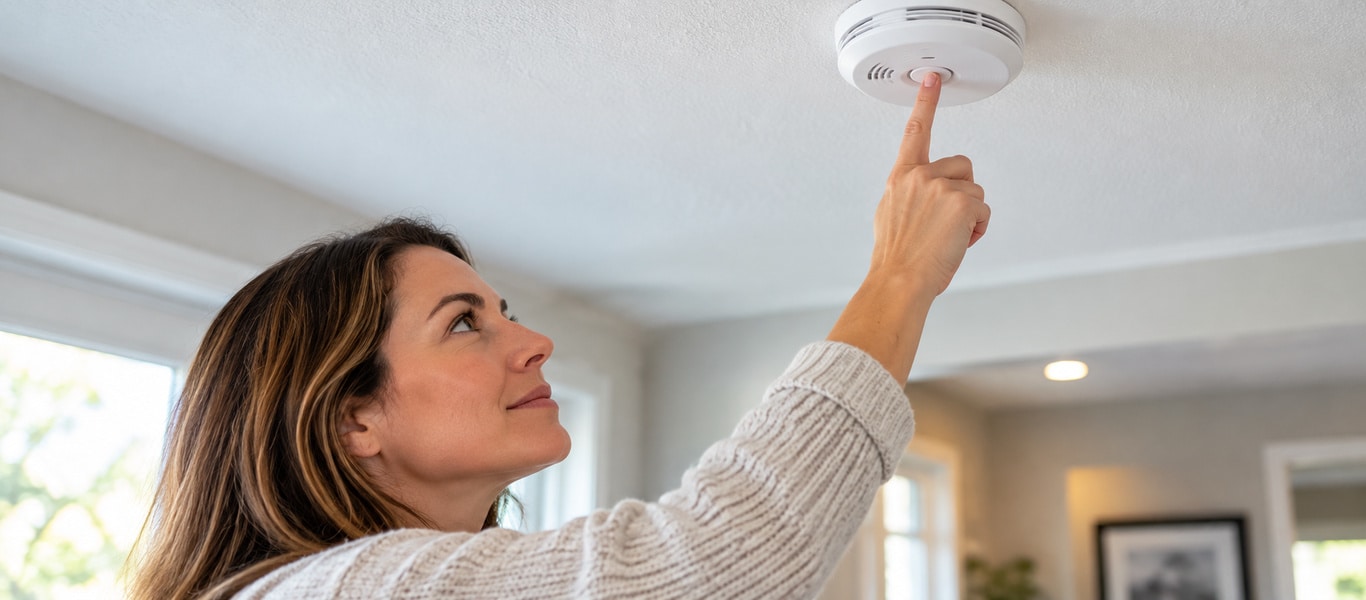
Test every alarm and check its age
Test smoke and carbon monoxide alarms using the manufacturer’s test button. Check the manufacture date or expiry date and replace devices that have reached the end of their useful life. If you do not know how old an alarm is, replacing it is the safer choice.
Saskatchewan requires smoke and carbon monoxide alarms in residential buildings under provincial building rules. Effective November 1, 2026, Henry’s Law expands the carbon monoxide requirements so that all suites in multi-unit residential buildings, including apartments, condominiums and homes with secondary suites, must have a carbon monoxide alarm, regardless of the suite’s location in the building.
Official guidance: Saskatchewan carbon monoxide and smoke alarm requirements
Make a simple escape plan
Make sure everyone in the home knows two ways out where possible, where to meet outside and who will help children, older adults, pets or anyone who may need assistance. Keep exits and basement egress windows accessible through the winter.
3. Protect Water Lines Before the First Hard Freeze
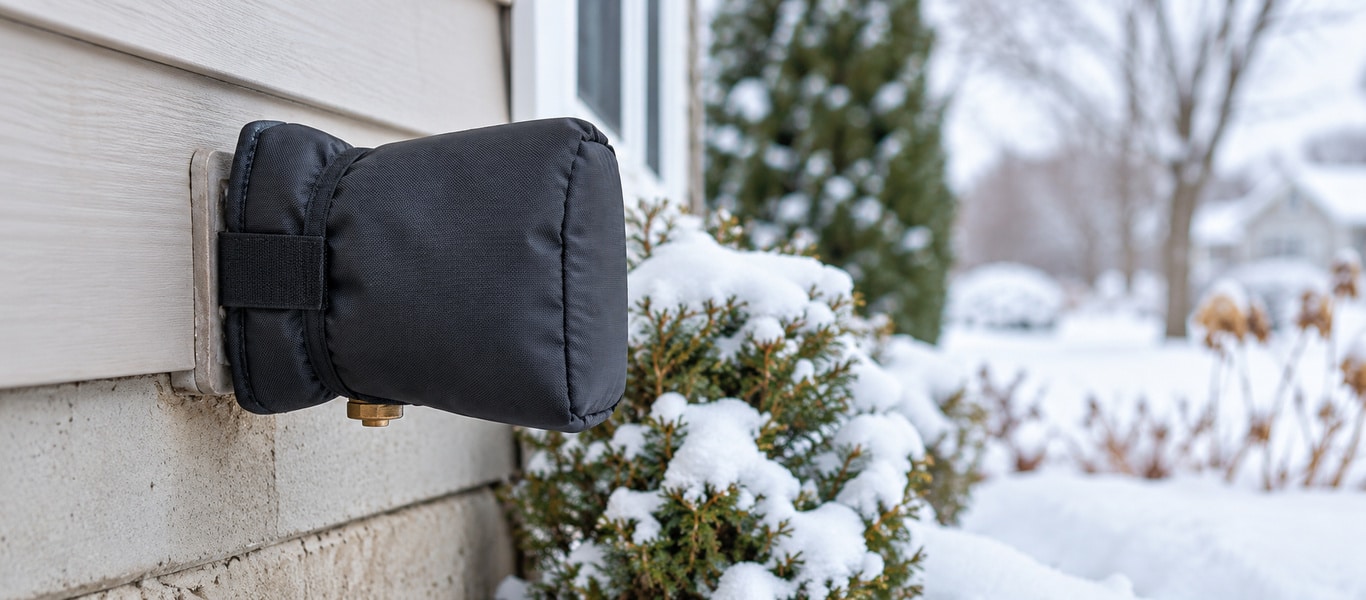
Disconnect hoses and drain exterior lines
Disconnect garden hoses, drain them and store them where they will not crack. Shut off and drain exterior faucet lines where your plumbing system allows. Follow the manufacturer’s winterizing instructions for irrigation systems, outdoor kitchens, hot tubs and other seasonal water equipment.
Insulate vulnerable pipes
The City of Saskatoon recommends insulating pipes located near exterior walls and other cold areas. Pay particular attention to basements, crawl spaces, utility rooms and the point where the water service enters the home. Know where the main water shut-off is located before an emergency occurs.
City resource: Preventing and responding to frozen pipes
Watch for warning signs during extreme cold
Reduced water flow, frost on a pipe or water available at some fixtures but not others can indicate a frozen section. If you see leaking water, call a plumber and do not attempt to thaw the pipe yourself. Avoid open flames and other unsafe thawing methods.
4. Keep Water Away From the Foundation
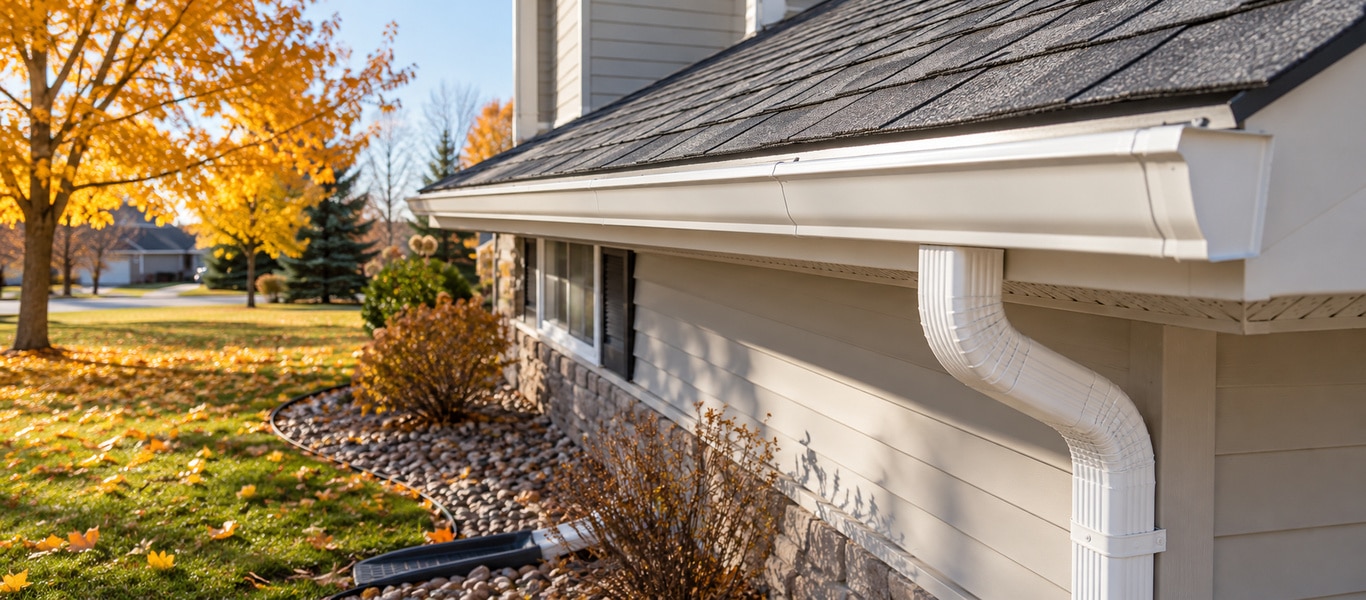
Clean eavestroughs and downspouts
Remove leaves and debris so meltwater can move through the system. The City of Saskatoon recommends extending downspouts at least two metres (six feet) from the foundation and directing the discharge to a permeable area where it will not affect neighbouring property, sidewalks or streets.
City resource: Home flood protection and drainage
Check grading, window wells and drainage paths
Walk around the home and look for low spots where water collects or soil slopes toward the foundation. Clear leaves and debris from window wells and drainage paths. Repairs may need to wait until warmer weather, but identifying the problem now helps you monitor it during snowmelt and plan the work.
Test the sump pump
The City recommends testing a sump pump every fall, before spring thaw and before leaving the home for an extended period. Confirm that the pump activates and the discharge line moves water away from the home without creating an icy sidewalk or affecting a neighbour.
City resource: Protective plumbing and sump pump guidance
5. Check the Exterior Envelope
Look for roof or flashing damage from the ground
From a safe location, look for obvious missing or damaged shingles, loose flashing, sagging eavestroughs or signs of previous leaks. Do not climb onto a wet, frosty or icy roof. Hire a qualified professional if you see damage or are not comfortable performing an inspection.
Inspect windows, doors and weatherstripping
Check for daylight, loose weatherstripping, damaged caulking and drafts around exterior doors and windows. Simple sealing work can improve comfort, but do not block intentional ventilation openings. Persistent condensation, staining or frost may signal a larger ventilation or moisture issue.
Check dryer and appliance vents
Confirm that exterior vent hoods open freely and are not blocked by lint, leaves, nests or stored items. Once snow arrives, include these vents in your regular snow-clearing check.
6. Once the Snow Arrives: Gas Meter and Vent Safety
SaskEnergy advises homeowners to keep the natural gas meter, regulator, shut-off valve and exterior appliance vents free of snow and ice. Blocked vents can cause equipment problems and may contribute to carbon monoxide buildup.
- Remove loose snow by hand or with a soft-bristle broom.
- Do not use a shovel, sharp tool, hot water or chemical de-icer on the meter.
- Do not hit or kick the meter to break ice.
- Avoid using a snowblower or snowplow close to the meter or riser.
- Keep a clear path so SaskEnergy can reach the equipment in an emergency.
Official guidance: SaskEnergy snow and ice safety
7. Prepare for Winter Power Outages
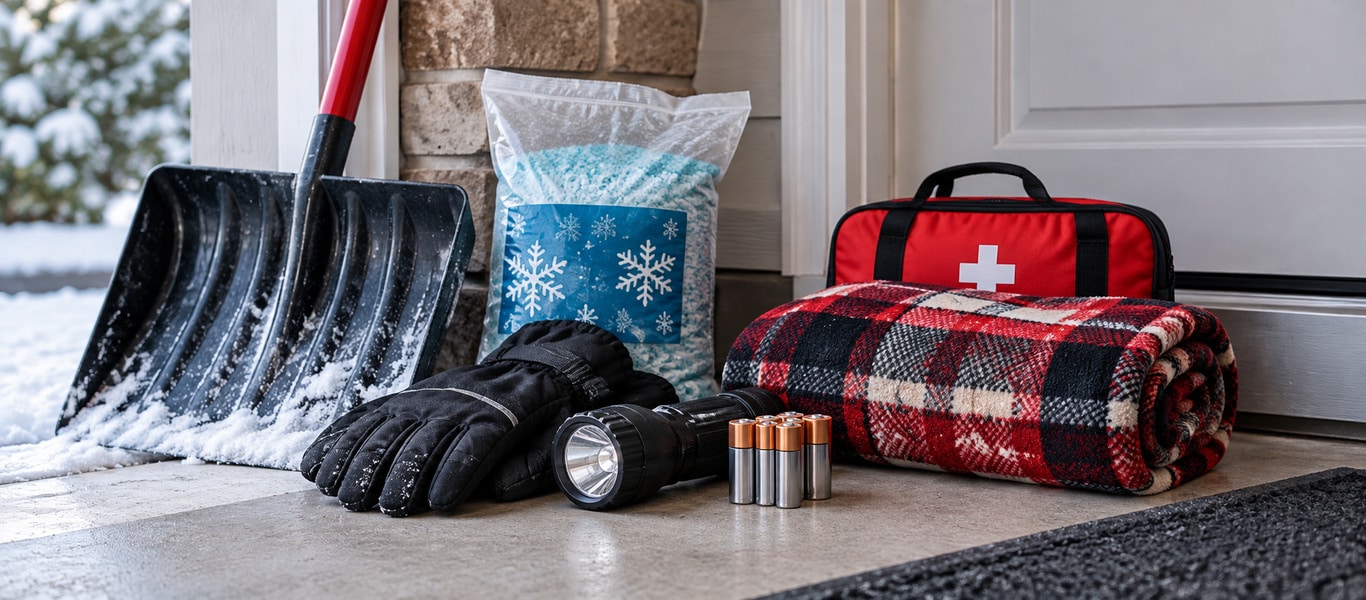
A winter outage can affect heating, lighting, communications, food storage and, in some homes, water service. Prepare an emergency kit and household plan before you need them.
- Flashlights and fresh batteries (use flashlights rather than candles where possible).
- Charged power banks and backup charging cables.
- A battery-powered or hand-crank radio.
- Water, non-perishable food and a manual can opener.
- Required medications, pet supplies and warm clothing or blankets.
- Important phone numbers and the location of the electrical panel, water shut-off and gas shut-off.
Never operate barbecues, camping stoves, portable fuel-burning equipment or a generator inside the home, garage, basement, shed or other enclosed space, even with doors or windows open.
Preparedness resource: Government of Canada power outage guidance
8. If You Will Be Away During Winter
Do not simply turn off the heat and leave. Check your home insurance policy requirements before an extended absence. Some policies may require regular checks, temperature monitoring, water shut-off or other precautions to keep coverage in force.
- Arrange for a trusted person to check the home as required by your policy.
- Keep the heat at a safe level and replace weak thermostat batteries.
- Confirm the sump pump, furnace and alarms are working before departure.
- Make sure exterior vents, the gas meter and entrances can be cleared after snowfall.
- Leave contact information for a plumber, furnace technician and neighbour or property manager.
9. When to Call a Professional
Call a qualified professional when you identify a fuel-burning appliance problem, leaking or burst pipe, electrical concern, roof damage, persistent moisture, foundation movement, unsafe chimney condition or work that requires climbing or specialized knowledge.
A checklist can help you notice a concern. It cannot diagnose every problem or replace the advice of a licensed trade.
Download Mike’s Saskatchewan Winter Home Checklist
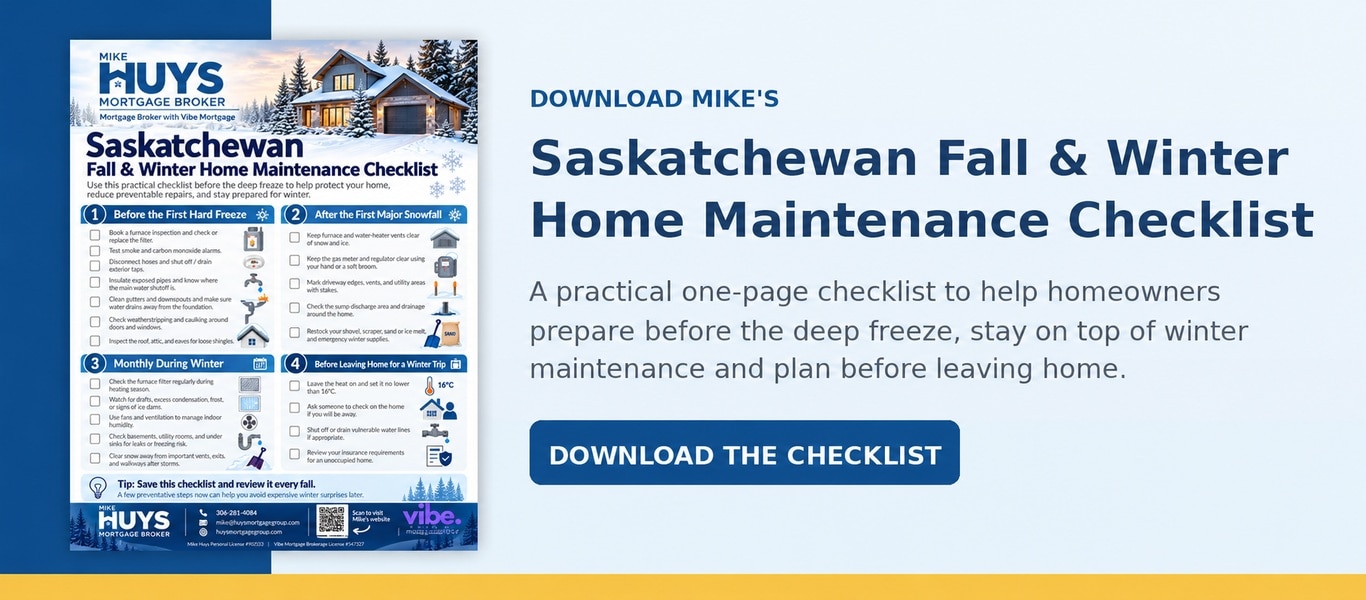
Use the printable checklist to work through the most important tasks before the deep freeze, after the first major snowfall, throughout winter and before leaving the home for an extended period.
The Bottom Line
Saskatchewan winter maintenance is not about making a home perfect. It is about reducing preventable risks, noticing problems early and knowing when to bring in help.
Complete the high-priority safety items first: heating, alarms, water lines, drainage and exterior vents. Then work through the rest of the list as time and budget allow.
If a home repair or renovation has turned into a larger financial decision, I can help you understand how the timing fits with your mortgage renewal or refinancing options. A mortgage change is not automatically the right solution, but it can be worth reviewing the complete numbers before using higher-interest credit.
Contact Mike Huys for a no-obligation mortgage conversation.
Related Reading
General Information Notice
This article provides general home-maintenance and safety information. Every property, appliance, insurance policy and municipal requirement is different. Follow manufacturer instructions, local requirements and the advice of qualified professionals. Mortgage information is general and is not individualized financial, legal, tax or insurance advice.
